
President
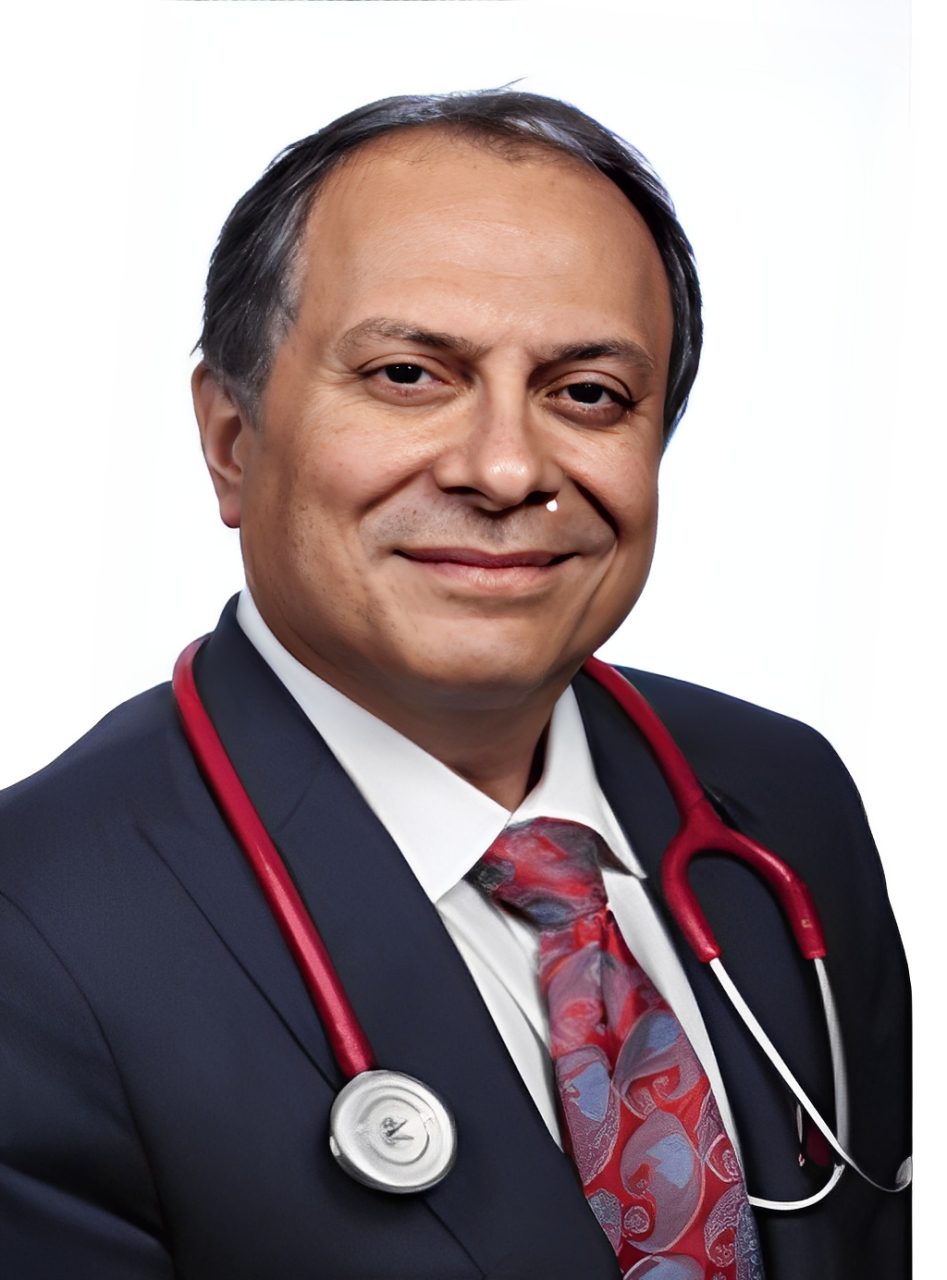
Mohammad Reza Movahed, MD, PhD, FACP, FACC,FSCAI, FCCP
Prof. M. Reza Movahed received his Medical degree and Dr. Med. (Ph.D.) from Medizinische Hochschule Hannover, Germany with highest Honor. He did his residency at the University of Rochester, NY, and his cardiology fellowship at the University of South Carolina, SC. His Interventional Cardiology fellowship was completed at Yale University Hospital New Heaven, CT in 2000. He worked at the University of California Irvine as an Assistant Clinical Professor and later joined the University of Arizona College of Medicine in 2006 as an Associate Professor of Medicine. In July 2010, Dr. Movahed was promoted to Professor of Medicine, Tenure at the University of Arizona College of Medicine and later as a Clinical professor. He was appointed Clinical Professor of Medicine at the University of Arizona College of Medicine, Phoenix in 2018. He has been Director of Cardiac Catheterization Laboratory and Nuclear Cardiology at the University of California, Irvine Medical Center, and Director of Coronary Care Unit and Medical Director of Cardiac Transplantation at the University of Arizona Medical Center. In 2007, he joined the Southern Arizona VA Health Care System as the Medical Director of Heart Transplantation. In May 2012, he joined CareMore as The Regional Cardiology Director of CareMore in Arizona until 2020. At the same time, he continues to be a Clinical Professor at the University of Arizona. He was appointed as the Cardiology Director of Total Care Company in March 2022. He has been CardioCare CEO since 2007. His major area of research is related to coronary intervention, non-invasive cardiology, and cardiovascular epidemiology. He is world-renowned for his coronary bifurcation classification known as “The Movahed Classification” He is also known for his discovery of the flattening of interventricular septum as a sign of right ventricular overload called “ Movahed’s sign” that can be seen during Gated SPECT studied. He published the reverse “Movahed Maneuver” that can be used for the improvement of stent deliverability during difficult and tortuous vein graft interventions. He has two cardiovascular patents issued to him. One is a device for the removal of contrast from a coronary sinus during coronary angiography or intervention to reduce contrast exposure to kidneys for the prevention of contrast-induced nephropathy. The other one is a method and device that can measure the cross-sectional lumen of a vessel using impedance sensors. He developed a highly effective Movahed protocol and algorithm for the prevention of intubation in patients with severe hypoxic cardiogenic pulmonary edema without cardiogenic shock. There are pending patents in developing high pressure ballon angioplasties, simplified defibrillators for cardiac arrest and Diabetes related devices. His over 300 peer-reviewed publications include prestigious journals such as New England Journal of Medicine, Nature Reviews, Circulation, American Journal of Medicine, Journal of American College of Cardiology, American Heart Journal, American Journal of Cardiology, Journal of Society of Echocardiography, JACC cardiovascular Intervention, JACC Imaging, Catheterization, and Cardiovascular Intervention, Journal of Invasive Cardiology, Journal of Interventional Cardiology, etc with one of the highest h-index citations in the science of 44 in his field. He is an editorial board member of numerous peer-reviewed journals. He has been invited speaker and chair for many national and international cardiology conventions and conferences. He has and has had Board Certifications in Internal Medicine, Echocardiography, Cardiovascular Disease, Advanced Heart failure/Transplantation, Nuclear Cardiology, and Interventional Cardiology. He is currently a Clinical Professor of Medicine, at the University of Arizona, Tucson, and a Clinical Professor, at the University of Arizona, Phoenix. He was Chair of the Heart and Stroke Ball 2020 and 2024. He was the President of the AHA Southern Arizona Affiliate. He also published “The Theory of Graviton or Spacetime Particles” in his secondary academic interest in physics describing a new theory about spacetime as particles.